

When most people picture coastal decorating, they immediately imagine shades of navy, turquoise, and pale blue. Blue is undeniably beautiful, but it is not the only way to create a home that feels relaxed, airy, and connected to the coast. If you are looking for coastal decorating ideas without blue, there are many beautiful alternatives.
A softer coastal home decor style can be built around warm neutrals, natural materials, muted greens, gentle coral accents, aged metals, and meaningful seaside details. The result feels less like a themed beach house and more like a calm, collected home shaped by the coast.
This warmer approach is especially lovely if you want warm coastal decor that feels comfortable throughout the year. Instead of relying on obvious beach colors, you can create the feeling of the shoreline through texture, light, craftsmanship, and carefully chosen references to the sea.
Here are some simple ways to decorate with coastal style without blue.
Begin With Warm, Sandy Neutrals
A warm coastal room often begins with colors inspired by sand, shells, driftwood, and sun-washed stone. These shades create a peaceful foundation while keeping the space from feeling cold or overly crisp.
Consider colors such as:
- Warm white
- Cream
- Soft beige
- Oatmeal
- Mushroom
- Taupe
- Pale tan
- Weathered wood
- Light caramel
Rather than using a bright, cool white everywhere, try a creamy white or soft ivory. These warmer shades still reflect natural light, but they make a room feel more comfortable and welcoming.
Warm neutrals also allow handmade décor and natural textures to stand out. A wooden tray, woven basket, ceramic vase, or piece of coastal wall art becomes more noticeable when it is surrounded by a quiet, uncomplicated palette.
The goal is not to make the room look colorless. It is to build a gentle background that feels connected to nature.
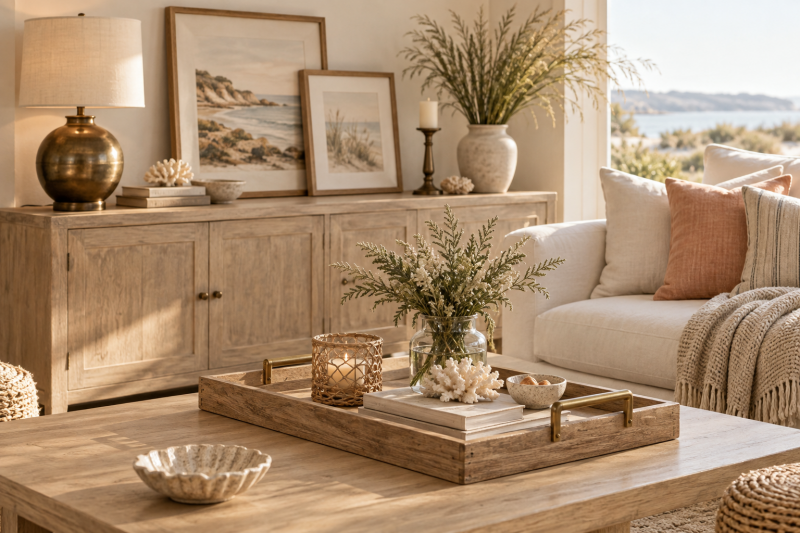
Explore Coastal Colors Beyond Blue
The coast offers far more color inspiration than the ocean alone. Think about beach roses, sea grass, weathered boats, shells, sandy dunes, sunsets, and coastal wildflowers.
Soft sage and muted olive can bring the feeling of sea grass into a room. Dusty coral, faded terracotta, and shell pink can add warmth without becoming too bright. Gentle gold and amber shades can reflect sunlight on the water, while muted burgundy or rust can reference old lobster buoys and weathered coastal buildings.
Some beautiful alternatives to blue for coastal interior design include:
- Sage green
- Sea-glass green
- Dusty coral
- Shell pink
- Muted terracotta
- Pale gold
- Soft peach
- Weathered gray
- Warm brown
- Creamy white
You do not have to eliminate blue completely. A small amount of navy, aqua, or faded denim can still appear in artwork or accessories. The difference is that blue is no longer responsible for creating the entire coastal feeling.
Instead, it becomes one accent within a warmer, more layered coastal color palette.
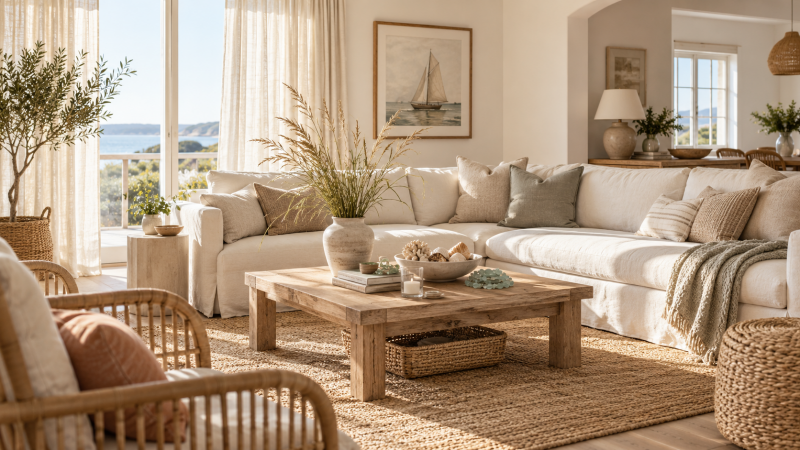
Use Natural Materials to Suggest the Shore
Texture is one of the easiest ways to create coastal atmosphere without depending on color.
Materials such as wood, linen, jute, rattan, woven grass, stone, glass, and ceramic naturally feel connected to the coast. They add depth to neutral rooms and keep pale color palettes from appearing flat.
Try incorporating a few of these elements:
- A light or weathered wooden table
- Woven storage baskets
- Linen curtains
- A jute or natural-fiber rug
- Handmade pottery
- Clear or sea-glass-inspired vessels
- Wooden trays and serving boards
- Decorative pieces containing real sand or seashells
The most inviting coastal rooms usually combine several different textures. Smooth glass beside rough wood, soft linen beside woven fibers, or polished resin beside natural shells creates visual interest without requiring bold color.
Choose Coastal References That Feel Subtle
You do not need signs that say “Beach House” or rooms filled with anchors and seashells to create coastal home decor. A few quiet references are often much more effective.
A sailboat print, a framed lighthouse, a small bowl containing collected shells, or a handcrafted vase inspired by the shoreline can suggest the coast without overwhelming the room.
Look for pieces that feel connected to a place, memory, or experience. A photograph from a favorite beach will usually feel more personal than a mass-produced decoration chosen simply because it contains a starfish.
Subtle coastal décor also gives you more freedom. It blends naturally with farmhouse, cottage, traditional, vintage, modern, or romantic decorating styles.
Add Warmth With Digital Printable Coastal Art
Digital printable art is an affordable and flexible way to introduce coastal personality without committing to a large or expensive decorating change. It can also help you bring several colors in the room together.
For a warmer coastal decorating look, search for printable artwork that combines sandy neutrals, cream, coral, sage, muted gold, sepia, or weathered red. Nautical subjects can still work beautifully, even when they include some blue, as long as the surrounding colors and presentation soften the overall effect.
Lighthouses, vintage sailboats, coastal maps, oyster shells, sea grass, lobsters, old harbors, and seaside architecture can all create a coastal feeling without making the room look overly themed.
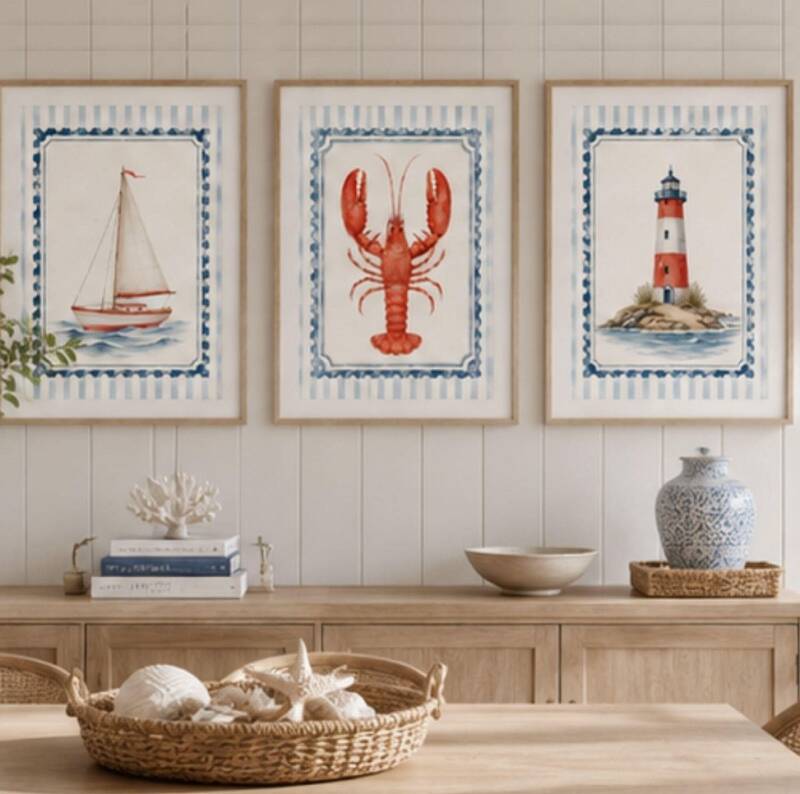
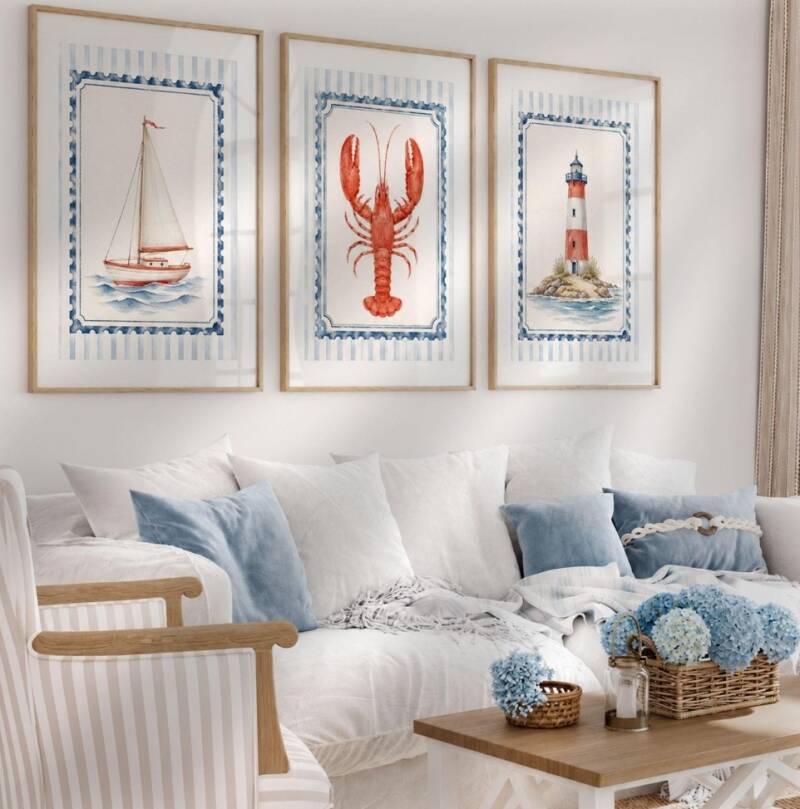
Your coordinated Bowline Artistry nautical printable set is a lovely example. The sailboat, lobster, and lighthouse give the collection a clear New England coastal identity. Although the prints include blue borders, there is not too much blue for this decorating approach. The coral-red accents, cream-colored backgrounds, and warm wooden frames balance the blue and make the entire set feel softer and warmer.
Because the artwork is coordinated, the three prints can be displayed together above a console, in a kitchen, or as part of a small gallery wall. They can also be separated and placed in different rooms to create a gentle connection throughout the home.
Frame choice makes a significant difference. Warm wood, antique brass, soft white, or natural oak frames will make blue coastal artwork feel more relaxed. Bright white or cool silver frames may create a crisper look, while warmer frames help the art blend with woven textures and wooden furniture.
Printable artwork also allows customers to choose a size that fits their space. A small print can brighten a kitchen shelf or coastal corner, while a set of three larger prints can create a finished focal point above a sofa, buffet, or bed.
Most importantly, printable art makes it easy to choose images that reflect personal memories. Someone who loves Maine lighthouses, Nantucket sailing, Cape Cod cottages, or New England lobster shacks can select art that feels connected to a meaningful place rather than choosing generic beach décor.

Bring In Functional Coastal Art
Some of the most beautiful coastal décor pieces are also useful. Functional art allows you to enjoy the shoreline feeling in everyday life rather than saving it only for wall décor.
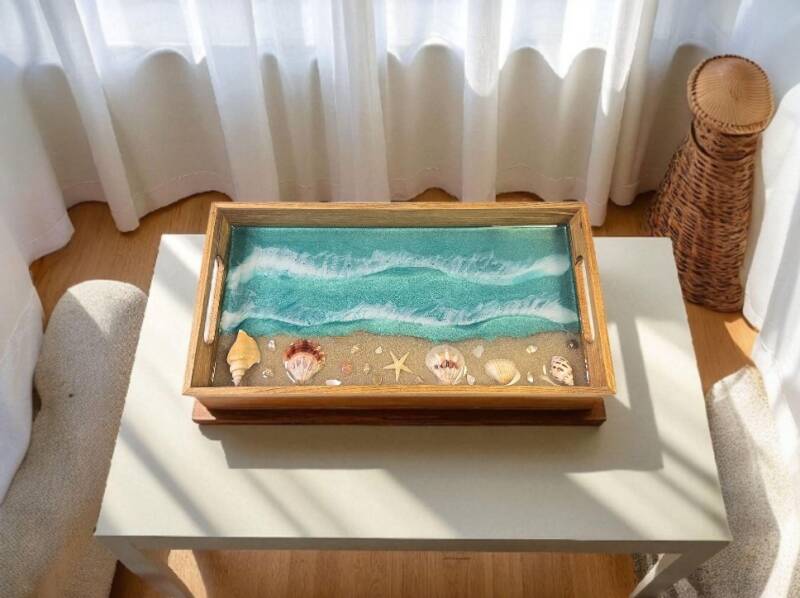
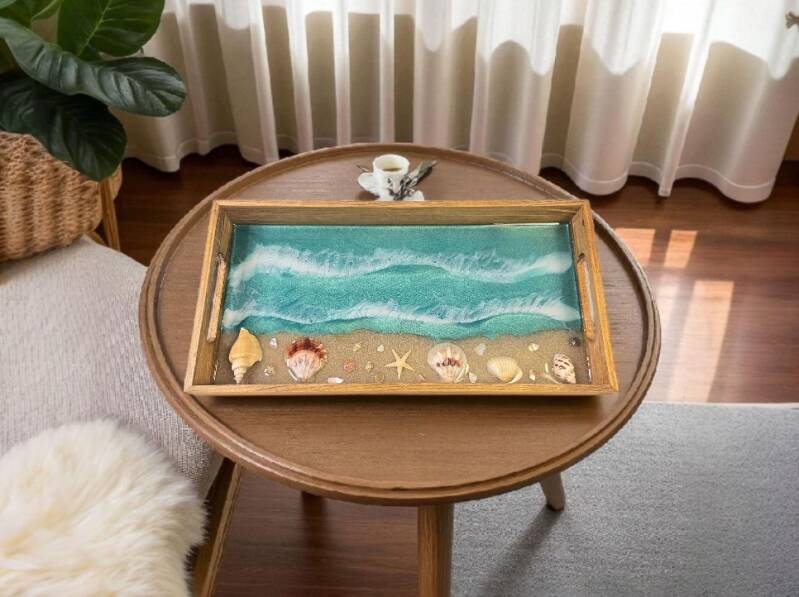
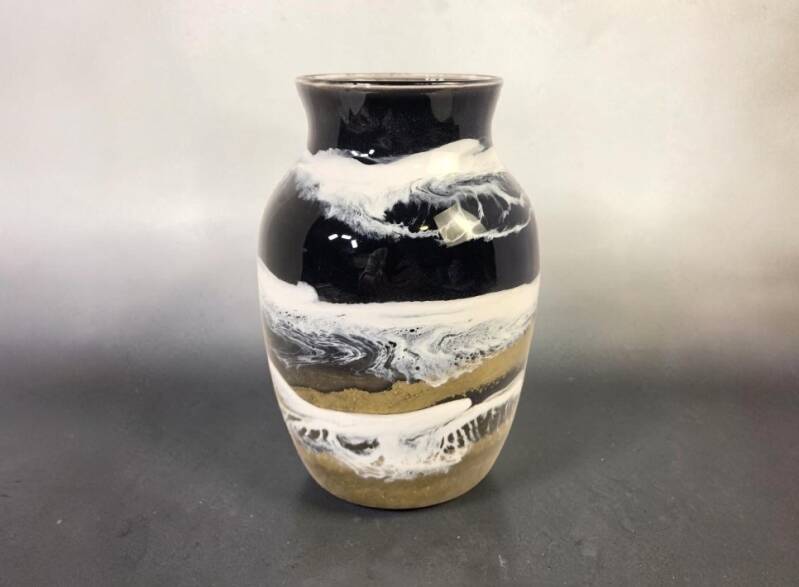
A handmade beach-inspired tray can hold drinks, organize a coffee table, or display candles. Ocean-inspired mugs can make an ordinary morning feel special. A decorative vase can hold flowers while adding color and texture to an entryway, bedroom, or dining table.
Functional pieces make a room feel natural and collected because they are not present simply to fill empty space. They become part of the home’s routines.
This is also a meaningful way to include handmade décor. Small variations in sand, shells, resin, paint, or wood remind us that a person created the piece rather than a machine producing hundreds of identical objects.


Warm the Room With Aged and Soft Metals
Metallic accents can bring light into a coastal room, but they do not have to feel bright or formal.
Antique brass, brushed gold, aged bronze, and soft champagne finishes pair beautifully with cream, wood, coral, and sage. They can appear through tray handles, picture frames, lamps, candleholders, cabinet hardware, or small decorative details.
A few warm metallic accents can also prevent a neutral room from feeling dull. They reflect light gently and introduce a slightly refined quality without taking away from the relaxed atmosphere.
Pay Attention to Lighting
Coastal decorating is as much about light as it is about color. A warm, softly lit room can feel more coastal than a blue room with harsh lighting.
Allow natural light to enter wherever possible. Lightweight linen or cotton curtains can provide privacy without making the room feel closed in.
In the evening, use lamps with warm bulbs instead of relying only on bright overhead lighting. Woven shades, ceramic lamp bases, and aged brass fixtures can add another layer of texture.
Candles also work well in warm coastal home interiors. Place one on a wooden tray beside a small vase or a piece of sea glass to create a simple, peaceful arrangement.
Create Small Coastal Moments
You do not have to redecorate an entire room. A small coastal decorating corner can sometimes have more impact than a large themed display.
You might style a kitchen shelf with a handmade mug, a small framed print, and a wooden board. An entryway could include a coastal vase, a lamp, and a tray for keys. A bathroom might need only a woven basket, soft towels, and one shell-inspired piece.
These small moments allow coastal style to appear naturally throughout the home. Repeating a few materials or colors creates connection without making every room look the same.
Include Pieces With Personal Meaning
The most inviting homes contain objects that tell a story. Coastal decorating becomes more meaningful when it reflects your own memories and experiences.
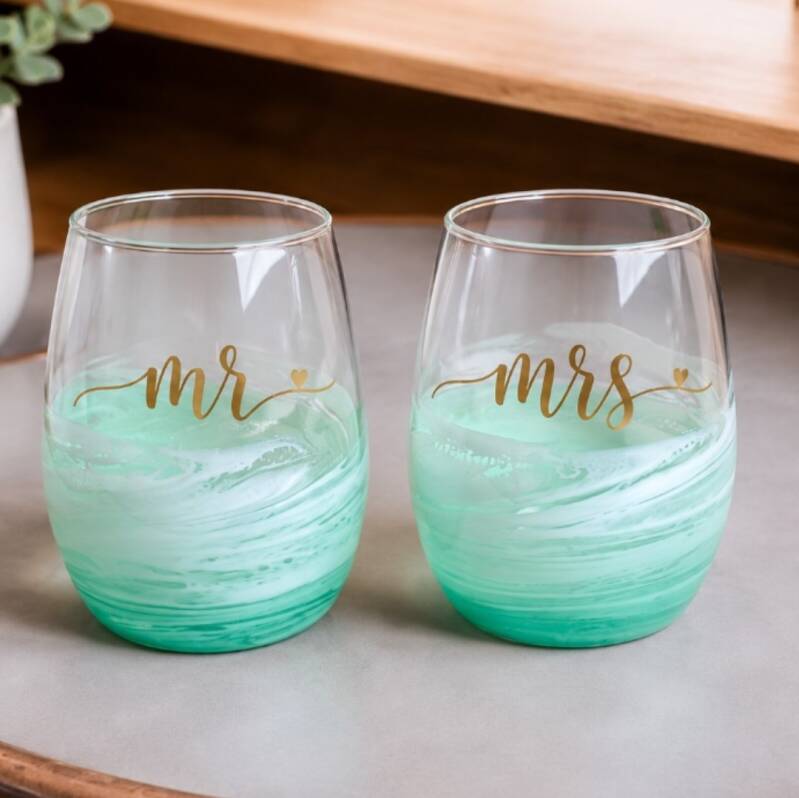
Display shells collected during a family vacation, a framed photograph of a favorite shoreline, personalized glassware from a wedding, or a handcrafted item chosen to celebrate an anniversary.
Personal pieces keep a coastal room from feeling staged. They transform decorating from following a trend into creating a home that genuinely represents the people who live there.
You do not need many sentimental items. Even one meaningful piece can become the heart of a room.


Allow the Look to Feel Collected and Imperfect
Nature is not perfectly matched, and coastal homes do not need to be either.
Wood tones can vary. Handmade glassware may contain small differences. Frames do not all need to match. Textiles can be softly rumpled, and decorative arrangements do not have to be perfectly symmetrical.
These small imperfections create warmth and character. They make a room feel as though it developed over time instead of being purchased as one coordinating set.
Choose pieces slowly and pay attention to how they make you feel. A collected coastal home should be peaceful, personal, and easy to live in.
A Warmer Way to Bring the Coast Home
Coastal decorating without blue is not about avoiding the ocean. It is about expanding the way we interpret it.
The shoreline contains warm sand, pale shells, weathered wood, green sea grass, coral sunsets, faded boats, and golden sunlight. By drawing inspiration from this wider palette, you can create a coastal home that feels soft, layered, and welcoming throughout every season.
Begin with warm neutrals, add natural materials, and choose a few coastal references that mean something to you. Introduce printable coastal art, functional handmade pieces, soft metals, and gentle lighting. Let your home evolve slowly rather than trying to complete it all at once.
The result will still feel unmistakably coastal—but in a quieter, warmer, and more personal way.
Add comment
Comments